
Pain relief
November 8, 2025what is oxycodone
November 9, 2025Navigating Pain Medicine: A Guide to Safe & Effective Relief
Pain is a universal human experience, but when it becomes chronic or severe, it can profoundly impact your daily life, emotional well-being, and physical activity. Fortunately, a range of medications is available to help manage pain. Understanding how they work, their potential risks and benefits, and when to use them responsibly is crucial for safe pain management.

Over-the-Counter (OTC) Heroes: Quick & Accessible Relief
Over-the-counter medications are often the first line of defense for mild to moderate pain, such as headaches, minor injuries, or arthritis. These are generally perceived as harmless due to their easy accessibility, but they still carry risks if misused.
Types and Cautions:
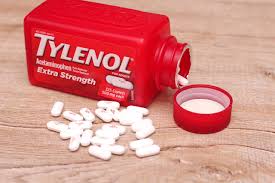
- Acetaminophen (e.g., Tylenol): Great for pain and fever reduction. Caution: It’s dangerous to exceed the recommended daily dose, as an overdose can cause severe liver damage.
- NSAIDs (Nonsteroidal Anti-inflammatory Drugs) (e.g., Ibuprofen, Naproxen, Aspirin): These reduce pain and inflammation. Caution: Prolonged use or high doses can increase the risk of stomach issues, kidney problems, and heart concerns.
Prescription Power: When You Need Stronger Management
For moderate to severe or chronic pain, healthcare providers may prescribe stronger medications. These include other types of anti-inflammatories, antiseizure medications, antidepressants (which can help interfere with pain signals), and nerve blocks.
- Opioids: These are powerful pain relievers for severe, acute pain (like post-surgery).
- Crucial Safety Note: Opioids carry a risk of physical dependence, addiction, and significant side effects. They should only be used as directed by your doctor, at the lowest effective dose for the shortest possible time.

Responsible Use: Key Safety Guidelines
The cornerstone of pain management is responsible use. Your safety is the top priority.
-
- Follow Directions Exactly: Always read the label or patient information leaflet and adhere strictly to the dosage and frequency instructions.
- Avoid Mixing Medications: Be cautious about combining different pain medicines or mixing them with alcohol or sleep aids, as this can lead to dangerous interactions. Always inform your doctor and pharmacist about all medications and supplements you are taking.
- Communicate with Your Doctor: Discuss all your treatment options, potential benefits, and risks with your healthcare provider. This ensures you receive optimal relief while minimizing risks.
- Safe Disposal: Dispose of unused or expired medications safely. Do not flush them down the toilet (unless specifically instructed by the FDA) or leave them accessible. Mix them with an undesirable substance (like coffee grounds or cat litter) and seal them in a container before putting them in the trash.
Your Path to Relief
Pain management is a highly personal journey. By understanding your options and working closely with your healthcare team, you can find a safe and effective strategy to manage your pain and improve your quality of life.
follow us for good quality medication…….https://bluerxpharmacy.com/shop/
