
Pain management clinic
November 8, 2025Pain Medicine
November 8, 2025Finding Relief: Your Guide to Taming Everyday Pain
Dealing with chronic aches or a sudden injury can be challenging. The good news is, effective strategies exist to help you reduce discomfort and improve your quality of life. This guide explores several proven methods, from simple home remedies to mind-body techniques, all designed to help you on your path to feeling better.

The Power of Movement: Gentle Exercise & Stretching
It may sound counterintuitive, but movement is often one of the best pain relievers. Regular, gentle activity can block pain signals to the brain, stretch stiff muscles, and improve mobility.
Key Strategies:
- Walking: A simple walk can make a big difference in managing conditions like back pain and arthritis.
- Yoga: Modified yoga poses (asanas) can increase mobility and are comparable to standard exercise therapy for back pain relief.
- Stretching: Simply getting out of the posture you spend a lot of time in and moving your joints through their full range can help improve flexibility and reduce pain.

2. Hot & Cold Therapy: Knowing When to Apply Heat or Ice
A common question is whether to use heat or cold for an ache. The general rule of thumb is:
- Cold: Best for acute injuries (like a fresh sprain) to reduce swelling and redness.
- Heat: More useful for chronic pain, as moist heat can raise pain thresholds and decrease muscle spasms. Heat wraps, in particular, may help reduce back pain and disability.
The Mind-Body Connection: Visualization and Better Sleep
Pain is not just physical; it involves the brain’s perception of signals. Mind-body techniques can be powerful allies.
- Guided Imagery: Also known as visualization, this technique involves envisioning your pain receding. It’s a scientifically validated way to relieve pain and anxiety.
- Prioritize Sleep: Poor sleep quality predicts greater pain intensity. Aim for good sleep hygiene, as sufficient rest helps reduce the brain’s perception of pain signals.
Topical Solutions: Targeted Relief Where You Need It
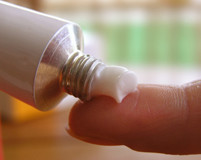
For pain in superficial areas like the knees, ankles, and hands, consider topical analgesics (creams, gels, or patches). These deliver pain relievers directly to the affected area, potentially avoiding some of the body-wide side effects of oral medications.
When to See a Doctor
While these strategies offer great relief for many, it’s essential to know when professional medical advice is needed. If your pain is severe, persistent, or you experience concerning symptoms, consult your doctor for a proper diagnosis and treatment plan.
Disclaimer: The content in this blog post is for informational purposes only and is not a substitute for professional medical advice. Always consult with a healthcare professional before starting any new treatment or exercise program.
Call to Action: What are your go-to pain relief tips? Share them in the comments below! If you’re struggling with persistent pain, consider scheduling a consultation with your healthcare provider to find a personalized solution.
These statements are for informational purposes only. For medical advice or a diagnosis, you should consult a professional. AI answers may contain errors. Learn more
Learn about pain—-https://bluerxpharmacy.com/product-category/pain-medication/
